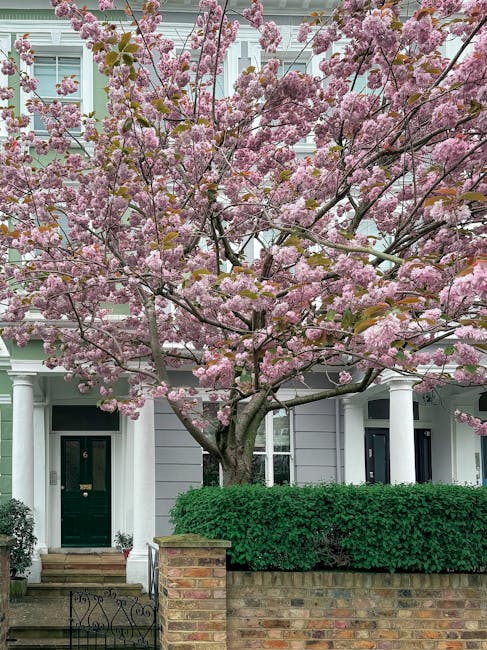
Pond Square gardeners guide to front garden planting
Front garden planting in Pond Square sounds simple until you start balancing curb appeal, privacy, light, soil, and the very real fact that the front of a house gets more scrutiny than the back. One gap, one overcrowded border, one plant that sulks in shade, and you notice it every time you open the door. This Pond Square gardeners guide to front garden planting gives you a practical, local approach to getting that space right: attractive, manageable, and suited to the everyday realities of London front gardens.
Whether you are refreshing a tired border, planning a neat evergreen scheme, or trying to make a compact front garden feel calmer and less cluttered, the basics are the same. Choose the right plants, match them to your light and soil, keep access in mind, and build a layout that still looks good after a wet week in November. Let's face it, front gardens have to work harder than most.
For homeowners looking for broader help with layout, structure, or ongoing care, it can also make sense to look at the full range of garden services or straightforward garden maintenance support when the planting is in but the upkeep keeps slipping.
Table of Contents
- Why front garden planting matters in Pond Square
- How a front garden planting plan works
- Key benefits and practical advantages
- Who this is for and when it makes sense
- Step-by-step guidance
- Expert tips for better results
- Common mistakes to avoid
- Tools, resources and recommendations
- Law, compliance, standards and best practice
- Options, methods and comparison table
- Case study or real-world example
- Practical checklist
- Conclusion
- Frequently asked questions
Why Pond Square gardeners guide to front garden planting Matters
A front garden is not just decoration. It shapes the first impression of the property, affects how easy the entrance feels to use, and can soften hard boundaries like brick walls, railings, drives, and path edges. In Pond Square, where homes often sit close to pavements and street views matter more than they do in hidden back gardens, planting choices need a little extra thought.
The wrong planting can create avoidable problems. Tall shrubs may block light to lower windows. Sprawling plants can narrow paths or spill into the pavement edge. High-maintenance borders can turn into a chore, especially when you only really have time for a quick tidy in the evening after work. On the other hand, the right scheme can make even a modest front garden feel ordered, welcoming, and quietly elegant.
There is also the local climate to consider. London front gardens often deal with heat reflected from walls and paving in summer, shade from neighbouring buildings, compacted soil, and periods of dryness that catch people out. A plan that works in a picture-perfect nursery display can fail badly here if it ignores those conditions. Truth be told, plant choice matters more than most people think.
If the front space needs more than planting alone, you may find it useful to review landscape gardening options or broader landscaping support before you commit to a planting layout.
How Pond Square gardeners guide to front garden planting Works
A good front garden planting plan follows a simple sequence. First you assess the site, then you define the job the garden must do, and only after that do you pick plants. That order sounds obvious, but people often reverse it. They fall in love with a plant and then try to build a garden around it. That usually ends with disappointment.
Start with the conditions:
- Light: full sun, partial shade, or mostly shade?
- Soil: is it free draining, heavy, dry, or compacted?
- Exposure: is the space sheltered, windy, or open to street weather?
- Space: is there room for shrubs, or should you focus on compact planting?
- Access: does the path need to stay wide and easy to use?
Then define the purpose. A front garden might need to do one or more of these jobs at once: frame the entrance, hide bins, soften a fence, add seasonal colour, improve privacy, or keep the property looking cared for with minimal effort. Those goals affect everything from height and structure to flower colour and pruning needs.
Finally, choose plants that suit both the site and your time available. If you want a neat frontage with dependable shape, evergreens and clipped forms can be the backbone. If you want movement and softness, use grasses, perennials, and layered planting. For a calmer look, repeat fewer plant varieties rather than filling every gap with something different. A front garden can still be lively without looking busy. In fact, it usually looks better that way.
Key Benefits and Practical Advantages
Well-planned front garden planting gives you more than a prettier view from the window. It solves real practical problems. Done properly, it can make a property feel more settled, easier to maintain, and more in tune with its surroundings.
- Better first impression: a neat, coherent planting scheme makes the entrance feel inviting rather than accidental.
- Improved structure: evergreen forms and layered planting help the garden look good even in winter.
- More privacy: carefully placed shrubs and screening plants can reduce overlooking without making the space feel closed in.
- Lower maintenance: the right plants, spaced properly, can reduce constant weeding and emergency pruning.
- Seasonal interest: bulbs, flowering shrubs, and foliage colour can keep the space from looking flat.
- Better value from the space: even a narrow frontage can feel purposeful rather than wasted.
There is a quieter benefit too: front garden planting can change how you feel coming home. A small drift of scent from lavender, a tidy evergreen line beside the path, or a few flowers that catch the late afternoon light can shift the mood of the whole place. Sounds a bit dramatic, maybe, but it's true.
For properties where the front garden needs regular keeping-in-check, lawn mowing support and broader garden clearance help can be useful when the planting is part of a wider tidy-up.
Who This Is For and When It Makes Sense
This guide is for homeowners, landlords, and anyone responsible for a front garden that needs to look presentable without becoming a full-time project. It is especially useful if you live on a visible street, share a boundary with neighbours, or simply want the front of the property to feel calmer and more intentional.
Front garden planting makes the most sense when:
- the existing plants are tired, overgrown, or badly placed;
- the garden lacks structure and feels bare for much of the year;
- you want more privacy without building a solid barrier;
- you are replacing patchy lawn with something more resilient;
- the entrance needs softening, but you still need clean access to the door;
- maintenance is slipping and you need a simpler planting style.
It also makes sense if you are planning a wider front-of-house refresh and need planting to sit neatly alongside paving, edging, or boundary work. In those cases, the planting should not be treated as an afterthought. It should be part of the plan from day one, alongside hard landscaping and access routes.
And if you are already thinking about pruning, boundary control, or larger structural changes, a conversation around hedge trimming or even tree lopping and removal may come up naturally, because shade and overhang can change what will thrive at the front.
Step-by-Step Guidance
1. Measure the usable space properly
Don't guess. Measure the border depth, path width, window heights, and any spots where people naturally walk. If a plant would crowd the path once mature, it needs to go somewhere else. This is one of those boring steps that saves a lot of irritation later.
2. Work out the light and moisture pattern
Notice where the sun falls in the morning and late afternoon. Front gardens can have surprisingly different conditions from one side to the other. A front bay window may shade a bed near the house, while the outer edge gets baked. That variation should shape your plant palette.
3. Decide the job each part of the garden has to do
Try dividing the space into roles. For example: one area for structure, one for seasonal colour, one for low edging, and one for screening. That stops you from crowding everything into the same visual level. A good layout usually has layers, not a single flat row of plants.
4. Choose a backbone of reliable plants
Use a few strong, dependable plants to hold the scheme together. These might be evergreen shrubs, clipped forms, or perennial mounds with good foliage shape. Then add more seasonal plants around them. This balance keeps the garden from looking thin in February and too busy in June.
5. Think in terms of repetition
Repeating the same plant in different spots creates calm and visual rhythm. It is often better to use three or four plant types well than ten plant types badly. Repetition makes even a tiny front garden feel deliberate.
6. Allow for maintenance access
Leave enough room to weed, mulch, cut back, and replant without trampling everything. If you cannot reach the back of a border, it will become awkward very quickly. That is just how it goes.
7. Finish with edging and mulch
A clean edge makes a planting scheme feel finished. Mulch helps suppress weeds and retain moisture, especially in drier front gardens. It also gives the border a more professional look straight away, which is handy if you want the planting to look good while it establishes.
Expert Tips for Better Results
In practice, front garden planting succeeds when you keep the design slightly quieter than you first imagine. Most people overestimate how much colour and variety the space can hold. Then they plant too many things, and the whole frontage starts arguing with itself.
- Use evergreen bones first. A strong year-round framework makes the garden look cared for even when flowers are out of season.
- Prioritise one main view. Decide what people should notice first: the door, the path, a container, or a feature shrub.
- Keep low plants at the front. This keeps sightlines open and helps the border feel tidy from the street.
- Match plants to your upkeep reality. If you travel often or simply do not enjoy pruning, choose slower-growing, forgiving plants.
- Use containers strategically. Pots can be excellent for narrow front gardens because they offer flexibility. Just don't overload the entrance with them.
- Protect against winter mess. Choose plants that do not collapse into a soggy heap as soon as the weather turns.
A practical little trick: stand at the gate or pavement edge before planting and imagine the view in drizzle. If it still looks balanced and tidy in that moment, you're usually on the right track. Morning light after rain can reveal flaws very quickly, annoyingly so.
If your plan depends on larger access, new edging, or a refreshed layout around the front approach, you may want to explore landscape gardening options as part of the bigger picture.
Common Mistakes to Avoid
Most front garden planting problems are avoidable. They come from rushing the planning, choosing plants for the catalogue picture, or forgetting that a front garden is seen up close, often every day.
- Planting too close together: it may look neat on day one, but it becomes crowded quickly.
- Ignoring mature size: small shrubs can become bulky if they are given the wrong site.
- Using too many colours: a patchwork effect can feel chaotic from the street.
- Forgetting winter structure: if a scheme relies only on summer flowers, it may look empty for half the year.
- Blocking paths and windows: this is a common one, and it is surprisingly easy to do by accident.
- Choosing thirsty plants for dry borders: front gardens near paving and walls can dry out quickly.
- Neglecting aftercare: even good planting needs watering, checking, and the odd reset while it settles.
There is also a style mistake that crops up often: trying to make the front look "done" by filling every inch. Calm, breathable planting usually looks better. A little negative space helps. It lets the house breathe, which sounds a bit grand, but you know what I mean.
Tools, Resources and Recommendations
You do not need a van full of specialist kit to plan a front garden properly. A few practical tools and sensible materials are usually enough.
- Measuring tape: for widths, border depths, and spacing.
- Hand trowel and fork: useful for planting and light soil work.
- Pruners: for shaping and deadheading.
- Watering can or hose access: especially important while new plants establish.
- Mulch: bark, composted material, or similar ground cover to suppress weeds and hold moisture.
- Garden gloves and knee protection: plain but worth having.
- Notebook or phone notes: jot down where you planted what, because memory gets fuzzy after a while.
Useful practical materials include slow-release feeding products, sturdy edging, and containers with proper drainage. If you are dealing with a lot of built-up debris before planting, a preliminary garden clearance can make the work feel much more manageable.
For ongoing care, it may help to look at routine maintenance support so the planting keeps its shape through the seasons instead of going from neat to wild in one long blink.
Law, Compliance, Standards and Best Practice
Front garden planting is mostly a design and maintenance matter, but a few practical standards and best practices matter in the real world. You should keep access safe and avoid creating trip hazards, overhanging growth, or blocked entry routes. If the planting borders a pavement or public edge, be careful not to let shrubs, branches, or containers obstruct movement.
If you are changing hard surfaces, retaining walls, or drainage in the front garden, it is sensible to check whether those alterations need proper planning consideration or professional input. Rules can vary depending on the work and the property, so a cautious approach is best. The same applies to trees and larger shrubs near buildings, walls, or utilities. If in doubt, get advice before cutting heavily or removing anything substantial.
From a workmanship point of view, good practice means:
- choosing plants appropriate to the site, not just the style;
- allowing enough clearance for doors, windows, bins, and paths;
- avoiding sharp, unstable, or prickly plants near walkways;
- not blocking sightlines where visibility matters;
- keeping the space tidy so it does not spill into public areas.
When you hire help, it is reasonable to expect clear communication, sensible workmanship, and attention to safety. If you want to understand how a provider approaches those basics, check their health and safety policy and insurance and safety information. Those pages should give you a better sense of how seriously standards are taken.
You can also review the company's recycling and sustainability approach if you care about how green waste and materials are handled. It is a small detail, but the small details add up.
Options, Methods, or Comparison Table
There is no single best approach to front garden planting. The right method depends on how much time you have, how much privacy you want, and whether the garden needs to look formal or relaxed.
| Method | Best for | Strengths | Trade-offs |
|---|---|---|---|
| Evergreen structure with seasonal accents | Low-maintenance, year-round neatness | Stable shape, reliable winter appearance | Can feel restrained if not softened with flowers or texture |
| Mixed shrubs and perennials | More colour and movement | Rich seasonal interest, softer look | Needs more editing and occasional tidy-up |
| Container-led planting | Small or awkward front spaces | Flexible, easy to refresh | Can dry out quickly and needs regular watering |
| Formal clipped layout | Traditional entrances and symmetry | Strong visual order, tidy impression | Pruning discipline required, especially in summer |
| Naturalistic planting | Relaxed, softer frontage | Friendly, layered look, good movement | Needs space and careful restraint to avoid messiness |
If you are unsure which route to take, a simple rule helps: formal schemes suit people who like control and rhythm, while softer schemes suit those who enjoy a more relaxed, evolving garden. Neither is wrong. It is about fit. And, to be fair, fit is everything in a front garden because the space is on view all the time.
Case Study or Real-World Example
Here is a straightforward real-world example based on a typical Pond Square frontage. The garden was narrow, mostly visible from the street, and had a small bed beside the path that had become a mix of tired shrubs and bare patches. The owners wanted something neater, lower maintenance, and more welcoming without making the entrance feel cramped.
The planting plan used a simple structure: one evergreen shrub type repeated along the boundary, a low flowering layer near the front edge, and a few compact seasonal plants near the entrance for colour. The path was kept clear, the border was mulched, and the taller plants were placed where they would not block the window line. Nothing flashy. Just calm and considered.
The useful lesson was that restraint improved the result. By limiting the number of plant types and focusing on clean spacing, the frontage looked bigger and less fussy. The owners also found it easier to keep on top of. That's usually the sweet spot: attractive enough to notice, simple enough to maintain on a wet Saturday morning without grumbling too much.
Practical Checklist
Use this before planting or replanting the front garden:
- Have I measured the space properly?
- Do I know how much light the area gets?
- Will mature plants still leave enough room for the path and entrance?
- Have I chosen plants that suit the soil and exposure?
- Is there enough year-round structure in the design?
- Will the planting still look good in winter?
- Have I limited the palette enough to keep the scheme calm?
- Do I have a plan for watering and aftercare?
- Have I allowed for edging and mulch?
- Will maintenance be realistic for me over the long term?
If you can answer yes to most of those, you are on solid ground. If not, pause and adjust the plan before planting. A half-day of thought can save a season of frustration.
Conclusion
A well-planned front garden in Pond Square is not about perfection. It is about balance. Good planting should soften the house, guide the eye, and make everyday arrival feel a little better. It should also be realistic to maintain. That combination is what makes a frontage feel genuinely finished rather than just recently planted.
Keep the structure simple, choose plants that suit London conditions, and do not overload the space. Build for the long term, not just for the first week after planting. If you get those basics right, the garden will settle into itself and reward you quietly, season after season. No drama. Just a front garden that does its job beautifully.
If you want help turning a rough idea into something practical, it is worth speaking with a local team that understands planning, planting, and upkeep as one job rather than three separate ones. You can also learn more about the business behind the service through the about us page or arrange next steps via the contact page.
Get a free quote today and see how much you can save.
Frequently Asked Questions
What should I plant in a front garden in Pond Square?
Choose plants that suit the light, soil, and available space first. In many Pond Square front gardens, a mix of evergreen structure, compact shrubs, and a few seasonal plants works well because it stays tidy and interesting through the year.
How do I make a small front garden look bigger?
Use fewer plant types, repeat them for rhythm, and keep the edge lines clean. Low planting near the front and taller plants set further back usually makes the space feel more open.
Which plants are best for low-maintenance front garden planting?
Look for reliable evergreens, compact shrubs, and hardy perennials that do not need constant pruning. The best choice depends on sun, shade, and soil, so there is no one-size-fits-all answer.
How often should a front garden be maintained?
Most front gardens benefit from light regular attention rather than occasional big clear-ups. That might mean weeding, deadheading, trimming, and checking watering weekly in the growing season.
Can I use containers instead of borders?
Yes, especially in small or awkward spaces. Containers are flexible and easy to refresh, but they dry out faster and need more frequent watering than planted borders.
How do I stop a front garden from looking messy?
Keep the design simple, avoid overcrowding, and use edging and mulch to define the planting area. Messiness usually comes from too many plant types, poor spacing, or plants growing unchecked.
Do I need planning permission for front garden planting?
Planting alone usually does not raise the same questions as larger hard landscaping changes, but if you are making structural alterations, changing drainage, or affecting access, it is sensible to check carefully before starting.
What if my front garden is mostly shade?
Choose shade-tolerant plants and focus on foliage texture rather than lots of bright flowers. Shade can look elegant if you work with it instead of fighting it.
Should I plant near the pavement edge?
Only if the mature plants will not obstruct movement or spill awkwardly into the public edge. Keep clearances sensible and think about growth at full size, not just day one.
How do I choose between formal and naturalistic planting?
Formal planting suits a neat, structured look and usually needs a bit more pruning discipline. Naturalistic planting feels softer and more relaxed, but it needs enough space and restraint to avoid looking untidy.
Is front garden planting worth doing if I rent out the property?
Usually, yes. A tidy and manageable front garden can improve presentation and make the property feel better cared for. Just keep maintenance simple so it stays realistic between tenancies.
When is the best time to plant a front garden in the UK?
Many plants establish well in milder parts of the year when soil moisture is kinder and temperatures are less extreme. The exact timing depends on what you are planting, but avoiding very dry or very cold spells is usually sensible.