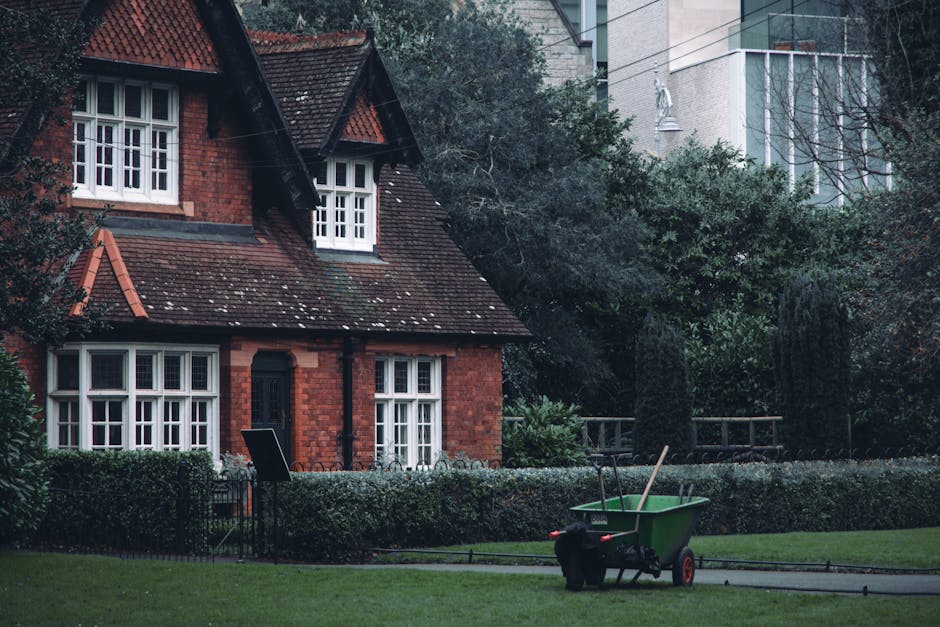
Hidden mistakes Hampstead homeowners make when hiring gardeners
Hiring a gardener in Hampstead sounds simple enough. You want tidy borders, healthier plants, a neat lawn, maybe a hedge that no longer looks like it has ideas of its own. But the hidden mistakes Hampstead homeowners make when hiring gardeners often show up after the first visit, not before. A quote looked fine, the photos were reassuring, and then suddenly the job is half-finished, the waste is left behind, or the garden looks technically done but somehow worse.
That is the real issue here: many hiring mistakes are not dramatic. They are small, quiet, easy-to-miss decisions that turn into bigger costs later. This guide walks through what those mistakes look like, why they matter in a place like Hampstead, and how to choose a gardener with confidence rather than crossed fingers.
Whether you need routine upkeep, a one-off tidy-up, or more involved outdoor work, a little care at the start saves a lot of hassle. And yes, it can save money too.
Contents
- Why these mistakes matter in Hampstead
- How hiring a gardener should work
- Key benefits of choosing well
- Who this guide is for
- Step-by-step guidance
- Expert tips for better results
- Common mistakes to avoid
- Tools, resources and recommendations
- Law, compliance and best practice
- Options and comparison table
- Case study example
- Practical checklist
- Conclusion
- Frequently asked questions
Why Hidden mistakes Hampstead homeowners make when hiring gardeners Matters
Hampstead gardens are rarely generic. Some are compact courtyards with awkward access and mature planting. Others are larger family gardens with shade, lawns, boundary hedges, patios, and the odd tree that has grown far more confidently than expected. That variety is lovely, but it also means a one-size-fits-all approach can fall flat very quickly.
The hidden mistakes Hampstead homeowners make when hiring gardeners usually come down to assumptions. Assuming all gardeners offer the same service. Assuming a cheaper quote means the same outcome. Assuming "maintenance" means the same thing to every person who uses that word. In real life, those assumptions create confusion, missed work, and, honestly, a bit of resentment on both sides.
There is also a local practical angle. Access can be tight, parking can be awkward, waste removal needs planning, and some gardens in older properties need a softer touch than a standard mow-and-go visit. So if you choose the wrong gardener, you may not just get a poor finish; you may end up with damaged planting, unfinished debris removal, or a job that takes longer because nobody checked the basics first.
Key takeaway: the best gardener is not just the one who can cut grass. It is the one who understands your space, your priorities, and the realities of maintaining a Hampstead garden properly.
How Hidden mistakes Hampstead homeowners make when hiring gardeners Works
At its best, hiring a gardener should be straightforward. You explain the garden, the scope of work, the timing, and the outcome you want. The gardener inspects the site, gives a clear quote, agrees what is included, and carries out the work with the right tools and waste handling in mind. Simple. Clean. No drama.
The hidden problems appear when any part of that chain is vague. For example, a homeowner says they want "general maintenance," but means edging, weeding, pruning, lawn care, and leaf collection. The gardener thinks it means a quick tidy. Nobody is lying. They are just speaking different languages. That's how misunderstandings start.
The same thing happens with specialist tasks. A hedge may need shaping, reduction, or strict maintenance cuts depending on the season and its condition. A lawn may need mowing, scarifying, or just a careful trim. Tree work is even more sensitive and should not be treated like casual garden tidying. If the wrong person is hired for the wrong job, the result can be expensive to undo.
Good hiring works because of clarity. The homeowner knows what they want. The gardener knows what they are responsible for. Both sides know what happens to waste, what happens if weather delays the work, and what counts as completed. That is the part people skip. Then they wonder why it went sideways. Truth be told, it is usually because the scope was never nailed down.
Key Benefits and Practical Advantages
Choosing the right gardener is not only about avoiding problems. There are genuine upsides when the decision is made well from the start.
- Better plant health: proper pruning, seasonal care, and correct lawn treatment help a garden recover and improve rather than just look neat for a day.
- Less repeat work: a competent gardener does not create the kind of short-term tidy-up that turns into another job two weeks later.
- Clearer budgeting: proper quotes and realistic time estimates reduce surprise add-ons.
- Safer work: the right approach matters for ladders, tools, hedge work, and any task near structures or shared boundaries.
- Better use of outdoor space: thoughtful maintenance can make a small Hampstead garden feel much more usable.
- Less stress: this one sounds soft, but it matters. When the work is handled properly, you stop second-guessing every visit.
There is also a practical aesthetic benefit. A well-managed garden tends to look calmer, not just cleaner. That matters in urban and suburban settings where gardens often act as a quiet reset from the street, the traffic, and the general noise of the day.
Who This Is For and When It Makes Sense
This guide is for any Hampstead homeowner who wants gardening help but does not want to get caught out by a poor hire. That includes:
- busy homeowners who need regular upkeep
- people moving into a property with an overgrown garden
- landlords preparing a rental garden between tenancies
- older homeowners who want reliable seasonal maintenance
- families who need lawns, hedges, and borders kept under control
- anyone planning a bigger outdoor refresh and needing support before landscaping work begins
It is especially useful if you are comparing garden maintenance, hedge trimming, lawn mowing, garden clearance, or more involved landscaping work. These jobs overlap, but they are not identical. One person's "quick tidy" is another person's full-day visit. That little gap is where the hidden mistakes live.
If you already know your garden needs more than occasional attention, it can help to look at a broader services overview first. It gives you a more grounded sense of what kind of help is available before you start ringing around.
Step-by-Step Guidance
1. Define the job properly
Write down what you actually want done. Be specific. Instead of "sort the garden out," list tasks like mowing, edging, hedge trimming, weeding, leaf clearance, pruning, jet washing if relevant, or waste removal. The more precise you are, the less room there is for crossed wires later.
2. Separate routine care from one-off work
Routine garden maintenance is not the same as a one-off clearance. If you need ongoing support, ask how visits are structured and what happens seasonally. If the space has been neglected, a proper initial clearance may be needed before maintenance can even begin. That distinction matters more than people think.
If your garden is heavily overgrown or cluttered, a dedicated garden clearance service may be the sensible first step rather than trying to force a maintenance visit to do everything at once.
3. Ask what is included in the quote
Does the price include waste removal? Edge finishing? Disposal of green waste? Travel time? Access issues? A quote that sounds lower at first can become more expensive if every extra task is added later. You do not need a spreadsheet, but you do need clarity.
For pricing clarity, a look at the provider's pricing and quotes approach can help you understand how detailed the estimate is supposed to be.
4. Check whether the gardener has the right experience for the job
Some tasks are routine. Others are not. Lawn mowing, for example, may seem straightforward, but a lawn with patchy growth, moss, or tight edges benefits from careful handling. Hedge trimming needs judgement, not just cutting power. Tree work is different again and should only be tackled by someone who knows what they are doing.
It is perfectly fair to ask what similar gardens or tasks they usually handle. A real professional will not bristle at that.
5. Confirm access and site conditions
Hampstead properties often have their own quirks: narrow side passages, shared entrances, basement access, delicate paving, or awkward storage space. Mention these early. If the gardener turns up to find they cannot get equipment through the access route, the whole visit gets clunky fast.
6. Agree on communication and timing
Will they confirm arrival windows? Do they text if delayed? What happens if weather changes the plan? A little communication goes a long way. And yes, when the rain starts at 8:40 on a Monday morning, everyone appreciates having an actual plan.
7. Review the result immediately
Walk the garden with the gardener if possible. Check the edges, the waste pile, the borders, the hedge shape, and the overall finish. This is not about being fussy. It is about catching small issues while they are still easy to fix.
Expert Tips for Better Results
Here's where the quieter, more experienced mistakes show up.
First, do not over-focus on the cheapest quote. If one gardener is dramatically cheaper than the others, ask why. Sometimes there is a sensible reason. Sometimes the price is low because the scope is vague or the finish will be too, well, casual.
Second, look for process, not just promises. Good gardeners tend to explain how they work: how they assess the site, how they manage waste, how they handle recurring visits, and what they do if conditions are poor. That process tells you far more than a shiny before-and-after photo.
Third, ask about the season. Gardens do not behave the same in spring, midsummer, and late autumn. A hedge trimmed at the wrong time or a lawn cut too hard during a dry spell can create avoidable setbacks. A gardener who understands timing is worth listening to.
Fourth, pay attention to tone. If someone sounds rushed before they have even seen the garden, take note. Good work starts with a proper inspection and a sensible conversation. Not a shrug.
Fifth, ask one slightly awkward question. What happens if you are not happy? It is an ordinary question, but many homeowners skip it. You should not. A business with a clear complaints procedure usually takes service standards more seriously.
Sixth, think beyond the immediate visit. If you want the garden to improve over time, not just survive, ask about an ongoing plan. Consistent care often beats emergency tidying. That may sound obvious, but people forget it the minute the grass starts looking wild again.
Common Mistakes to Avoid
Assuming every gardener offers the same service
They do not. Some focus on maintenance, others on clearance, some on landscaping and transformation work, and some are far more specialised. Hiring the wrong type of gardener is one of the easiest hidden mistakes to make.
Not defining the end result
"Tidy" is not a measurement. "Reduce the hedge by a third" is closer. "Mow the lawn and leave the clippings" is closer. "Remove all green waste" is closer. The more concrete you are, the better the result.
Ignoring insurance and safety questions
Garden work can involve tools, ladders, falling branches, slippery surfaces, and physical strain. You do not need to interrogate someone like a customs officer, but you should be confident they work safely and can explain how they handle risk. A useful place to check is the provider's insurance and safety information, plus their health and safety policy.
Forgetting waste and recycling
Green waste is one of the most commonly forgotten parts of the job. If it is not discussed, you may be left with bags of cuttings or an extra charge later. A responsible gardener should be able to explain how waste is handled and whether materials are recycled where possible.
Their recycling and sustainability approach can be a useful sign of how carefully they manage the practical side of the work.
Booking maintenance before the garden is ready
If a garden is badly overgrown, no amount of maintenance will fix it on day one. Sometimes a clearance or one-off landscape intervention is needed first. Then maintenance can take over. That sequence matters. Otherwise you end up asking a maintenance visit to behave like a rescue mission.
Not checking how long the work should take
If a quote seems too quick for the amount of work described, ask for a breakdown. A rushed job can look fine from the kitchen window and still leave edges, corners, or problem spots untouched. The devil really does hide in the borders.
Tools, Resources and Recommendations
You do not need to become a gardening expert to hire well, but a few practical tools help.
- A simple written brief: one page is enough. List the tasks, priorities, access notes, and any sensitivities.
- Photos of the garden: useful if you are requesting a quote remotely or comparing providers.
- Seasonal notes: if something has been flowering, dropping leaves, or growing aggressively, mention it.
- A preferred visit rhythm: weekly, fortnightly, monthly, or seasonal.
- A clear list of "must-dos" and "nice-to-dos": this helps the gardener manage time if the weather turns or the garden is larger than expected.
If you want to understand how a company presents its work and services, the about us page can also be useful. It often tells you more about the business approach than a generic sales message does.
For homeowners comparing multi-task projects, it may also help to look at related services such as lawn mowing, hedge trimming, garden maintenance, landscaping, landscape gardening, decking services, and tree lopping and removal to see which type of work best matches your actual need.
Law, Compliance, Standards, or Best Practice
This topic does touch on practical compliance, but the safest way to think about it is in terms of ordinary UK best practice rather than assuming every job has the same legal threshold.
For garden work, the main things homeowners should care about are:
- Safe working methods: especially where ladders, power tools, or height are involved.
- Clear agreement on scope: so everyone knows what was priced and what was completed.
- Insurance awareness: because accidental damage, tool-related incidents, or access issues can happen.
- Responsible waste handling: including how green waste is removed or recycled.
- Respect for neighbour boundaries: particularly in tightly packed London streets where access and overhanging growth can become sensitive.
For more formal expectations, homeowners often look for evidence that a provider takes service standards seriously through pages like terms and conditions and company policies. That does not guarantee perfection, of course. Nothing does. But it does show whether the business has thought through the practical side of operating professionally.
One more subtle point: if a job involves significant tree work, do not casually bundle it in with general garden maintenance. Larger tree work needs extra care, especially around structure, access, and safety. That is not a corner to cut.
Options, Methods, or Comparison Table
When homeowners say they need a gardener, they often mean one of several different things. Here is a useful comparison.
| Service type | Best for | Typical mistake | What to check |
|---|---|---|---|
| Regular garden maintenance | Keeping borders, lawns, and growth under control | Expecting major transformation in a routine visit | Visit frequency, tasks included, waste handling |
| One-off garden clearance | Overgrown or neglected spaces | Trying to force a clearance into a standard maintenance slot | Removal of waste, access, time estimate |
| Hedge trimming | Shaping, reducing, or maintaining boundaries | Not agreeing the shape or final height | Exact cut, season, tidy-up expectations |
| Lawn mowing | Routine lawn care and presentation | Ignoring edges, clippings, or lawn condition | Finish quality, edging, mowing pattern |
| Tree lopping and removal | Problem branches, safety concerns, removal work | Treating it as simple garden tidying | Safety, access, experience, insurance |
| Landscaping or landscape gardening | Changing layout, structure, or usability | Skipping planning and budget clarity | Design intent, materials, timescale, site prep |
This table is useful because it shows a quiet truth: the hidden mistakes Hampstead homeowners make when hiring gardeners often begin when the service type is misunderstood. Once you match the job to the right kind of work, the rest gets easier.
Case Study or Real-World Example
Here is a realistic example, based on the sort of situation that comes up often in London gardens.
A Hampstead homeowner wanted a "general tidy" before hosting family over a weekend. The garden had a lawn, two hedges, a border that had gone a bit wild, and several bags of old plant waste tucked behind a shed. They called the first person they found, agreed a rough price over the phone, and assumed everything obvious would be included.
On the day, the gardener mowed the lawn and cut one hedge. The border was left because it took longer than expected. The old waste was not removed because it had never been discussed. The homeowner felt disappointed. The gardener felt the scope had changed. Both sides were, in a way, right.
The fix was not complicated. The homeowner took photos, wrote down the exact tasks, and asked for a clearer maintenance quote the next time. They also separated the work into a one-off clearance visit and a follow-up maintenance plan. The garden did not become perfect overnight, but the relationship became calmer and the result improved. Funny how clarity does that.
The practical lesson is simple: when the job is bigger than a quick tidy, break it into parts. A proper plan saves time and stops the awkward "I thought that was included" conversation.
Practical Checklist
Use this before you hire anyone.
- Have I written down exactly what I want done?
- Do I know whether this is maintenance, clearance, trimming, mowing, or landscaping?
- Have I asked what is included in the price?
- Have I confirmed whether waste removal is included?
- Do I know how the gardener handles access, parking, and site constraints?
- Have I checked whether the work needs special care for trees, hedges, or delicate planting?
- Have I asked about timing, weather delays, and communication?
- Have I reviewed insurance and safety information?
- Do I know what happens if I am unhappy with the result?
- Have I matched the service to the actual condition of the garden?
If you can answer most of those with confidence, you are already ahead of many homeowners. Not every box needs a perfect tick, but the big ones should.
Conclusion
The hidden mistakes Hampstead homeowners make when hiring gardeners are usually not dramatic. They are small oversights: vague briefs, unclear pricing, the wrong service type, forgotten waste, or too much trust in a quick verbal promise. Yet these small things can shape the whole experience.
If you take one thing from this guide, let it be this: hire for fit, not just for convenience. The right gardener will ask sensible questions, explain what is included, and treat your garden like a real space with real constraints. That is the difference between a rushed tidy-up and work that genuinely helps your outdoor space improve.
Get a free quote today and see how much you can save.
If you are comparing providers or planning a bigger garden refresh, start with a clear brief, check the service details carefully, and use the company's contact page when you are ready to talk through the job. A good conversation at the start can save a lot of messy guesswork later.
Frequently Asked Questions
What are the most common hidden mistakes when hiring gardeners in Hampstead?
The biggest ones are vague instructions, assuming all gardeners offer the same service, forgetting to confirm waste removal, and choosing purely on price. In Hampstead, access and garden layout can also catch people out.
How do I know whether I need garden maintenance or a one-off clearance?
If the garden is mostly under control and just needs regular upkeep, maintenance makes sense. If it is overgrown, cluttered, or neglected, a clearance visit may be needed first. Often, the best answer is a clearance followed by maintenance.
Should I ask for everything in writing?
Yes, where possible. A written scope helps avoid misunderstandings about what is included, especially if the job involves several tasks or waste removal. Even a clear email is better than relying on memory.
Why does pricing vary so much between gardeners?
Quotes vary because the scope, equipment, time required, and waste handling are not always the same. A lower quote can be fine, but it can also mean fewer services are included. Always check the details, not just the number.
Do gardeners in Hampstead need special experience?
They do not need a special Hampstead badge, of course, but local experience helps. Tight access, mature planting, boundary issues, and awkward parking all make a difference. A gardener who understands those conditions is usually a safer bet.
What should be included in a proper quote?
A proper quote should explain the tasks included, the expected time or frequency, waste removal, any access assumptions, and any extra charges that may apply. If anything sounds vague, ask for clarification before booking.
How can I tell if a gardener is safety-conscious?
They should be able to explain how they approach ladders, tools, branches, slippery surfaces, and site hazards. You can also look for clear insurance and safety information. If safety questions seem to annoy them, that is a warning sign.
Is it a mistake to hire the cheapest gardener?
Not always, but it can be. The cheapest quote may be perfectly fair, or it may leave out important parts of the job. A better question is: does the quote match the actual work I need?
What if my garden has hedges, lawn, and small trees?
Then you may need a mix of services rather than one generic visit. Hedge trimming, lawn mowing, and tree work should be discussed separately where needed so the right time, tools, and experience are allocated.
How often should I book garden maintenance?
It depends on the size of the garden, the season, and how quickly things grow. Some gardens need weekly or fortnightly attention, while others only need monthly or seasonal care. A good gardener will help you judge the right rhythm.
What should I do if the result is not what I expected?
Raise it promptly and calmly. Refer back to the agreed scope and explain the issue clearly. If the business has a complaints procedure, follow it. Most problems are easier to resolve when they are addressed quickly and specifically.
Can I combine garden clearance and maintenance in one booking?
Sometimes, yes, but only if the scope is realistic. If the garden is badly overgrown, the safer option is often to clear it first and then set up a maintenance plan afterwards. That approach usually produces a much better finish.